
(Text only in Portuguese)
Sentir a vida na pele
Por Edite Amorim. 15 Outubro 2020
A vida aprende-se pelos poros.
É no contacto com a natureza que os nossos limites crescem e se fazem. É no sopro do vento fresco que aprendemos o arrepiar; é na chuva miudinha sentida na cara que aprendemos a frescura livre; é no frio da neve que aprendemos a temperatura da pureza do branco.
O ar livre molda-nos as aprendizagens, permite-nos aumentar e conhecer limites, aumenta-nos a liberdade.
No começo da vida, quando os passos se começam a dar fincados em descoberta e exploração, o ar livre assume-se como a extensão do mundo. Um lugar onde podemos ser mais, respirar mais, aprender mais, sentir mais.
Longe da sobre-proteção a que nos fomos habituando nas rotinas de ares condicionados e aquecedores, o ar puro permite um novo respirar e uma saúde reforçada à base de contacto direto com o que há de mais natural.
Fomos habituando os hábitos à fuga do ar livre. “Porque constipa”, “porque arrepia”, “porque molha”, “porque se arrefece”. Mas a verdade é que, comprovado por todos os meios, desde os científicos aos hábitos culturais diversos, o ar livre não traz senão vantagens às saúdes de dentro e de fora, a física mas também a mental, a social, a ecológica, a cultural.
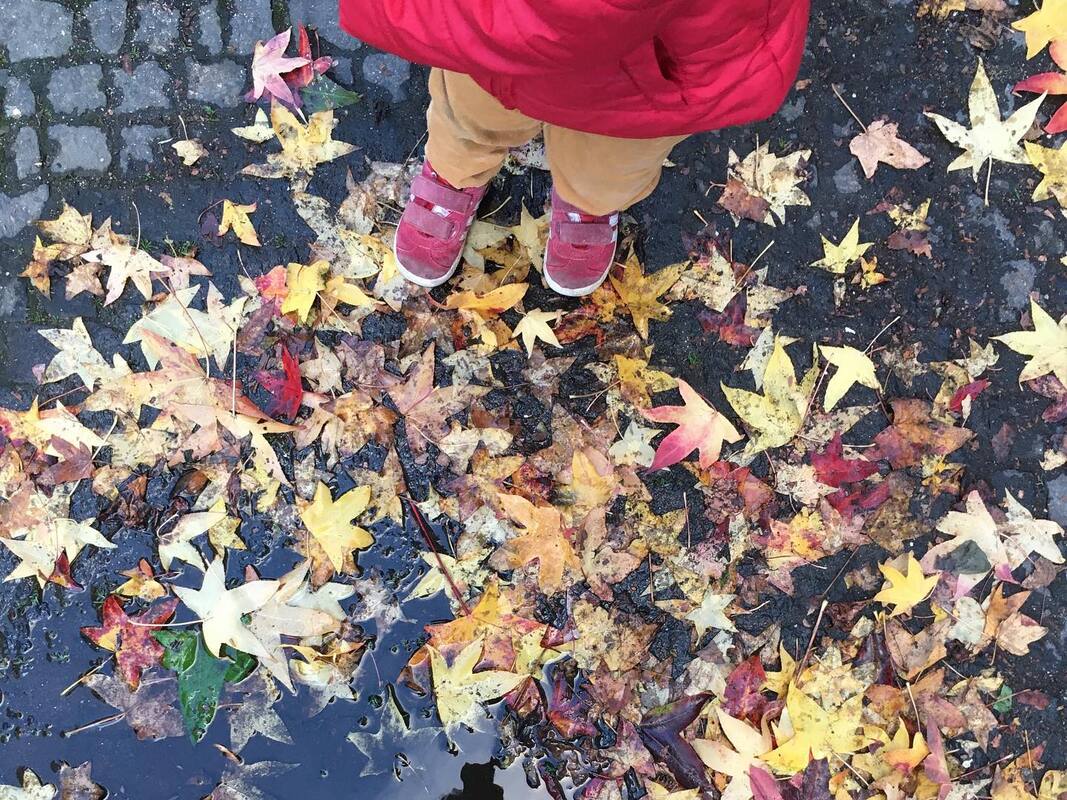
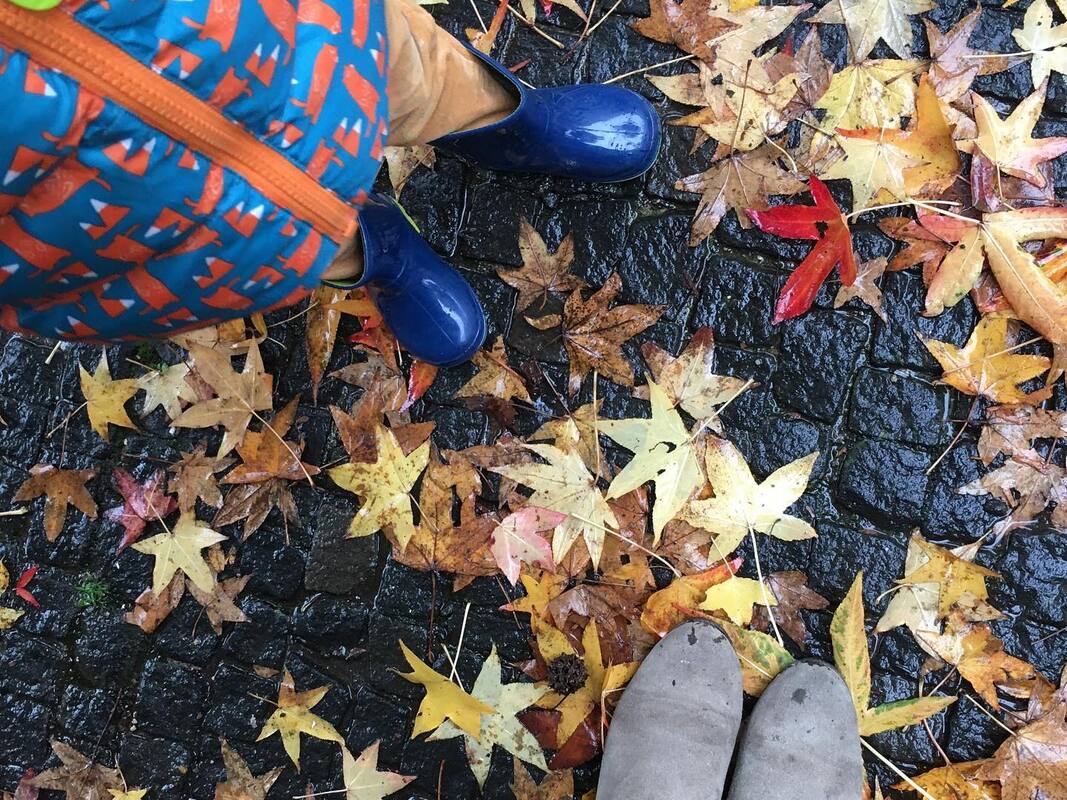
Desde que devidamente preparados, só temos a ganhar com uma corrida ao vento, com um passeio de saltos entre poças de água, com uma hora a brincar em temperaturas mais baixas. Para isso se inventaram as galochas, os impermeáveis, os casacos quentes, as luvas e os gorros: para permitir aos corpos usufruírem das condições atmosféricas, sem delas termos medo ou ficarmos reféns.
Estas evidências sobre a importância da vida com tempo ao ar livre vêm de vários lugares: começa na comunidade médica e científica, que recorda a importância desta exposição para o próprio sistema imunitário. As constipações, recordam, não se originam por contacto com o frio, mas pelas diferenças de temperatura. Desde que, depois de uma brincadeira à chuva, a roupa seja mudada e o corpo recupere calor, tudo permanece em equilíbrio. Desde que, para brincar em temperaturas mais baixas, haja um bom casaco que acompanhe movimentos sem sobreaquecer e que, uma vez regressados ao quente do interior a temperatura seja ajustada, retirando “capas”, tudo se reequilibra.
Os contágios, principal foco de patologias infantis, dão-se infinitamente menos nas brincadeiras ao ar livre do que no conforto da sala fechada, onde o ar circulante é partilhado por todos e “agasalha” os vírus, que se propagam facilmente.
Também os psicólogos se unem a esta ideia, na linha da saúde mental proporcionada pela liberdade de movimentos que o ar livre promove. É na abertura à exploração do contexto externo, ao contacto com ele como meio envolvente, que o corpo cria limites e ganha consciência de si. Aprender e interagir com os elementos e sentir na pele o funcionamento do mundo exterior através do contacto direto contribui diretamente para a saúde mental. Não é por acaso que se recomenda o contacto e a permanência ao ar livre em tantas situações, quer as já agudas, quer como forma de prevenção: o ar puro traz não só nova energia, como permite a libertação de energia menos positiva.
É também ele uma ferramenta de compreensão de um mundo mais vasto, sentido em primeira pessoa na pele, com tudo o que contém a nível de texturas, formas e temperaturas. É estimulador de aprendizagem e desbloqueador até de medos.
São muitos os que se juntam a este reforço da importância do ar livre. Psicomotricistas reconhecidos, como Carlos Neto, professor na Faculdade de Motricidade Humana de Lisboa, é uma das vozes que mais se faz ouvir neste sentido, apelando ao ajuste das próprias escolas, jardins e creches para uma vida mais exterior, com tudo o que ela proporciona. Esta é mais uma das pessoas que resume sensata e objetivamente as várias vantagens desta exposição e que aponta os riscos da sobre-proteção, apelando a “mais joelhos esfolados e a mais chuva direta”.
A nível cultural esta ideia é também reforçada: em países da fria Escandinávia, por exemplo, as crianças são convidadas desde muito cedo ao contacto direto com o frio, a chuva e a neve. Bem protegidas em termos de agasalhos, são estimuladas a uma vida no exterior, que passa por deslocações de e para casa e por brincadeiras ao ar livre em contexto escolar. Como é apanágio nesses países, a ideia é a de que “Não existe mau tempo, só existe roupa desadaptada”. Bem reforçada a proteção – galochas e impermeáveis para a chuva, casacos para o frio, narizes que vão sendo assoados com regularidade, bebidas quentes depois de uma longa exposição exterior – todo o ar livre é bem-vindo e muito útil.
Assim sendo impera a questão: estamos a permitir às nossas crianças sentirem suficientemente o mundo na pele? Estamos abertos, como seus educadores, a que sintam os elementos como parte do mundo e a que os habitem e neles circulem? Estamos reféns de ideias ultrapassadas e não justificadas (“Andar ao frio constipa”, “O miúdo tem asma/alergias, vai ficar pior”), ou abertos a compreender a realidade à luz do que tem vindo a ser demonstrado como estilos de vida mais saudáveis, mais simples, adaptados à nossa essência como seres humanos ligados à vida e aos seus elementos mais naturais?
Desmistificar receios que se foram entranhando na pele torna-se o desafio nesta época, que até pelo próprio contexto pandémico se justifica. Crianças e profissionais menos fechados em salas aquecidas terão com certeza menos probabilidades de contágios desnecessários e estarão simultaneamente a reforçar um sistema imunitário mais capaz de reagir a agressões.
Abrirmo-nos ao mundo exterior é também abrirmo-nos de muitas outras formas. Fica o convite-desafio a que cada um de nós reencontre, entre os espaços livres deste espaço maior circundante, o equilíbrio certo entre o que sentimos proteger-nos e o que pode reforçar-nos.
Lenço de papel no bolso, galochas e casacos prontos, um gorro pronto a ser enfiado e a sair para o mundo para sentir a vida na pele!
Sentir a vida na pele
Por Edite Amorim. 15 Outubro 2020
A vida aprende-se pelos poros.
É no contacto com a natureza que os nossos limites crescem e se fazem. É no sopro do vento fresco que aprendemos o arrepiar; é na chuva miudinha sentida na cara que aprendemos a frescura livre; é no frio da neve que aprendemos a temperatura da pureza do branco.
O ar livre molda-nos as aprendizagens, permite-nos aumentar e conhecer limites, aumenta-nos a liberdade.
No começo da vida, quando os passos se começam a dar fincados em descoberta e exploração, o ar livre assume-se como a extensão do mundo. Um lugar onde podemos ser mais, respirar mais, aprender mais, sentir mais.
Longe da sobre-proteção a que nos fomos habituando nas rotinas de ares condicionados e aquecedores, o ar puro permite um novo respirar e uma saúde reforçada à base de contacto direto com o que há de mais natural.
Fomos habituando os hábitos à fuga do ar livre. “Porque constipa”, “porque arrepia”, “porque molha”, “porque se arrefece”. Mas a verdade é que, comprovado por todos os meios, desde os científicos aos hábitos culturais diversos, o ar livre não traz senão vantagens às saúdes de dentro e de fora, a física mas também a mental, a social, a ecológica, a cultural.
Desde que devidamente preparados, só temos a ganhar com uma corrida ao vento, com um passeio de saltos entre poças de água, com uma hora a brincar em temperaturas mais baixas. Para isso se inventaram as galochas, os impermeáveis, os casacos quentes, as luvas e os gorros: para permitir aos corpos usufruírem das condições atmosféricas, sem delas termos medo ou ficarmos reféns.
Estas evidências sobre a importância da vida com tempo ao ar livre vêm de vários lugares: começa na comunidade médica e científica, que recorda a importância desta exposição para o próprio sistema imunitário. As constipações, recordam, não se originam por contacto com o frio, mas pelas diferenças de temperatura. Desde que, depois de uma brincadeira à chuva, a roupa seja mudada e o corpo recupere calor, tudo permanece em equilíbrio. Desde que, para brincar em temperaturas mais baixas, haja um bom casaco que acompanhe movimentos sem sobreaquecer e que, uma vez regressados ao quente do interior a temperatura seja ajustada, retirando “capas”, tudo se reequilibra.
Os contágios, principal foco de patologias infantis, dão-se infinitamente menos nas brincadeiras ao ar livre do que no conforto da sala fechada, onde o ar circulante é partilhado por todos e “agasalha” os vírus, que se propagam facilmente.
Também os psicólogos se unem a esta ideia, na linha da saúde mental proporcionada pela liberdade de movimentos que o ar livre promove. É na abertura à exploração do contexto externo, ao contacto com ele como meio envolvente, que o corpo cria limites e ganha consciência de si. Aprender e interagir com os elementos e sentir na pele o funcionamento do mundo exterior através do contacto direto contribui diretamente para a saúde mental. Não é por acaso que se recomenda o contacto e a permanência ao ar livre em tantas situações, quer as já agudas, quer como forma de prevenção: o ar puro traz não só nova energia, como permite a libertação de energia menos positiva.
É também ele uma ferramenta de compreensão de um mundo mais vasto, sentido em primeira pessoa na pele, com tudo o que contém a nível de texturas, formas e temperaturas. É estimulador de aprendizagem e desbloqueador até de medos.
São muitos os que se juntam a este reforço da importância do ar livre. Psicomotricistas reconhecidos, como Carlos Neto, professor na Faculdade de Motricidade Humana de Lisboa, é uma das vozes que mais se faz ouvir neste sentido, apelando ao ajuste das próprias escolas, jardins e creches para uma vida mais exterior, com tudo o que ela proporciona. Esta é mais uma das pessoas que resume sensata e objetivamente as várias vantagens desta exposição e que aponta os riscos da sobre-proteção, apelando a “mais joelhos esfolados e a mais chuva direta”.
A nível cultural esta ideia é também reforçada: em países da fria Escandinávia, por exemplo, as crianças são convidadas desde muito cedo ao contacto direto com o frio, a chuva e a neve. Bem protegidas em termos de agasalhos, são estimuladas a uma vida no exterior, que passa por deslocações de e para casa e por brincadeiras ao ar livre em contexto escolar. Como é apanágio nesses países, a ideia é a de que “Não existe mau tempo, só existe roupa desadaptada”. Bem reforçada a proteção – galochas e impermeáveis para a chuva, casacos para o frio, narizes que vão sendo assoados com regularidade, bebidas quentes depois de uma longa exposição exterior – todo o ar livre é bem-vindo e muito útil.
Assim sendo impera a questão: estamos a permitir às nossas crianças sentirem suficientemente o mundo na pele? Estamos abertos, como seus educadores, a que sintam os elementos como parte do mundo e a que os habitem e neles circulem? Estamos reféns de ideias ultrapassadas e não justificadas (“Andar ao frio constipa”, “O miúdo tem asma/alergias, vai ficar pior”), ou abertos a compreender a realidade à luz do que tem vindo a ser demonstrado como estilos de vida mais saudáveis, mais simples, adaptados à nossa essência como seres humanos ligados à vida e aos seus elementos mais naturais?
Desmistificar receios que se foram entranhando na pele torna-se o desafio nesta época, que até pelo próprio contexto pandémico se justifica. Crianças e profissionais menos fechados em salas aquecidas terão com certeza menos probabilidades de contágios desnecessários e estarão simultaneamente a reforçar um sistema imunitário mais capaz de reagir a agressões.
Abrirmo-nos ao mundo exterior é também abrirmo-nos de muitas outras formas. Fica o convite-desafio a que cada um de nós reencontre, entre os espaços livres deste espaço maior circundante, o equilíbrio certo entre o que sentimos proteger-nos e o que pode reforçar-nos.
Lenço de papel no bolso, galochas e casacos prontos, um gorro pronto a ser enfiado e a sair para o mundo para sentir a vida na pele!





 RSS Feed